
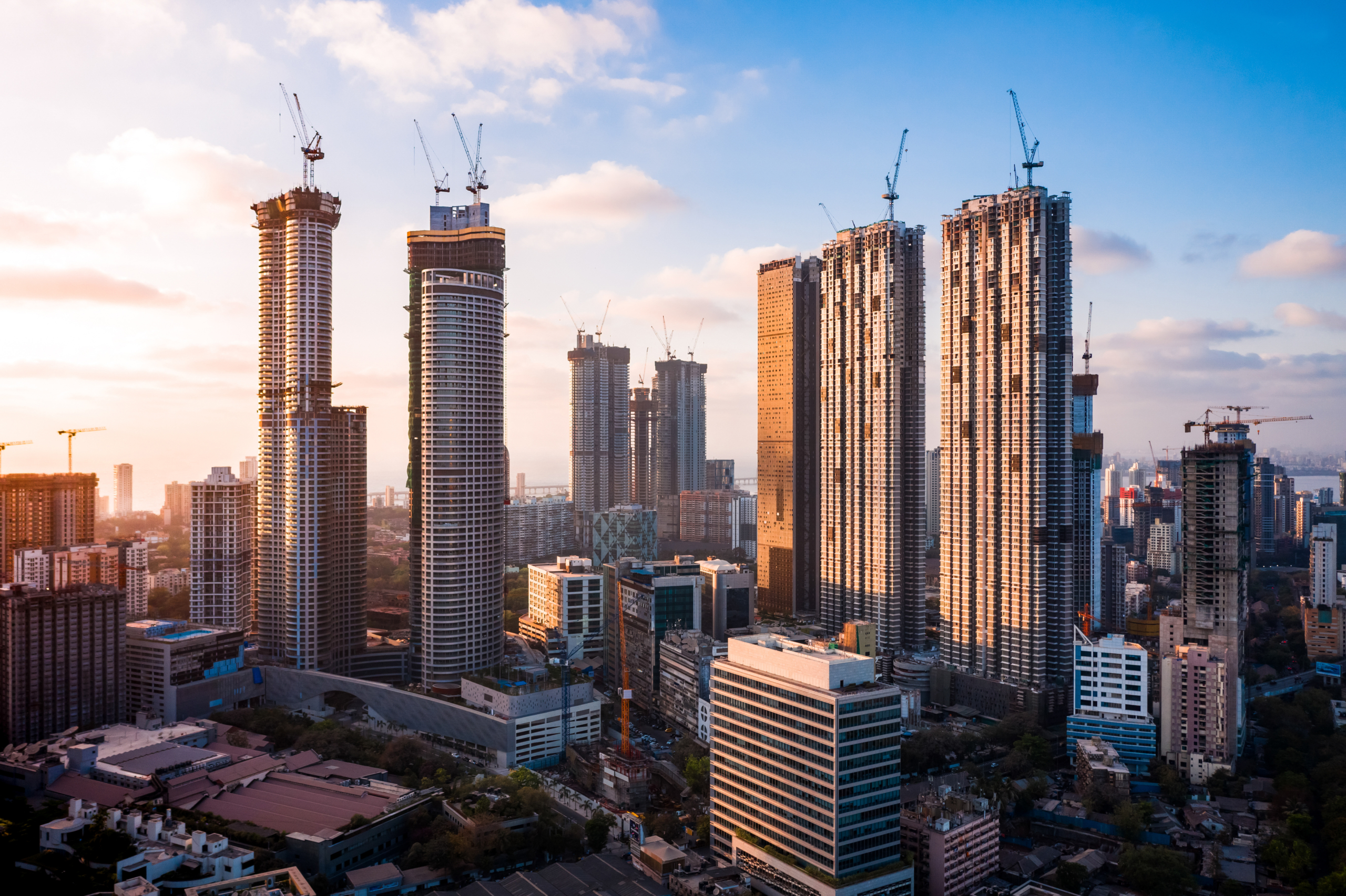
After years of economic uncertainty driven by inflation, rising interest rates, and geopolitical tensions, 2025 is shaping up to be a defining transition year for global real estate. Instead of extreme booms or crashes, markets worldwide are moving into a phase of measured recovery, price stability, and selective growth.
A Shift from Volatility to Stability
Between 2020 and 2023, real estate markets moved at extreme speeds—first surging due to ultra-low interest rates, then cooling sharply as borrowing costs increased. In 2025, this volatility is easing. Interest rates in many regions are stabilizing, inflation is normalizing, and buyers and sellers are slowly regaining confidence.
Transaction volumes are rising again after several sluggish quarters. However, the growth is no longer speculative. Instead, it is driven by real demand: housing shortages, urban migration, infrastructure development, and long-term investment strategies.
Residential Real Estate: Sustainable Growth Returns
Residential markets in 2025 reflect balanced recovery rather than explosive growth. Some major cities are seeing modest price appreciation, while others are stabilizing after earlier corrections.
Key drivers of residential demand include:
-
Rising population and urbanization
-
Strong job markets in technology, healthcare, and finance
-
Limited new housing supply in many cities
At the same time, affordability remains a challenge, especially for first-time buyers. Mortgage rates are still higher than the pre-2022 period, making careful budgeting essential. As a result, buyers are focusing on smaller homes, suburban areas, and emerging urban zones.
Commercial Real Estate: A Selective Comeback
Commercial property has faced one of its most dramatic corrections in decades. Office spaces have struggled as hybrid and remote work remain widespread. Many older office buildings are being repurposed into residential units, co-working hubs, or hospitality properties.
However, not all commercial sectors are weak. In 2025, the strongest performers include:
-
Logistics and warehousing
-
Data centers
-
Healthcare real estate
-
Student housing
-
Senior living communities
Retail real estate is also stabilizing as experiential shopping, dining, and entertainment redefine mall spaces.
Investor Strategy in 2025
Investors in 2025 are prioritizing cash flow stability over speculation. The era of buying at any price and expecting instant appreciation is over. Instead, today’s investors focus on:
-
Rental yield consistency
-
Quality of tenants
-
Location fundamentals
-
Future infrastructure plans
-
Sustainability standards
Value-add strategies are returning, where investors buy undervalued properties and improve them through renovations, smart upgrades, and energy-efficient designs.
ESG and Sustainability Lead the Future
Environmental responsibility is no longer optional in real estate. In 2025:
-
Energy-efficient homes command higher rents
-
Green-certified buildings attract premium corporate tenants
-
Inefficient buildings lose value rapidly
Governments are tightening building regulations, and banks are offering better financing for green projects. Investors who ignore sustainability risk losing long-term value.
Final Outlook
Real estate in 2025 is no longer about chasing short-term profits. It is about:
-
Smart planning
-
Risk management
-
Data-driven investing
-
Long-term urban development
The market rewards discipline, patience, and strategic location selection.




Join The Discussion