
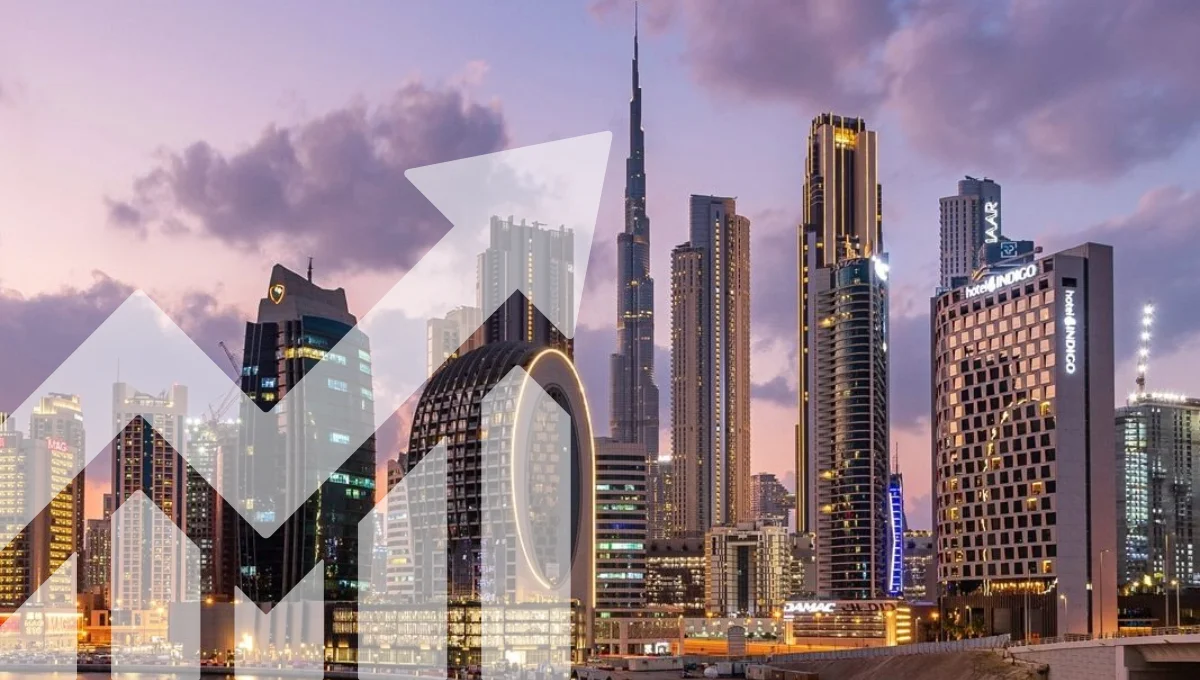
Real estate in 2025 is no longer just about property ownership—it is about digital experience, sustainable design, and lifestyle-driven decision making. Buyers, investors, and tenants now expect technology-driven processes, environmentally responsible buildings, and flexible living ecosystems.
Technology Is Reshaping Property Transactions
Digital transformation lies at the heart of modern real estate in 2025. AI-powered tools, smart platforms, and automated transaction systems have completely reshaped how people buy, sell, and manage property.
Key technology trends include:
-
Virtual property tours with real-time 3D walkthroughs
-
AI-driven investment analysis and price forecasting
-
Digital signature registration and smart contracts
-
Automated rental screening and tenant management
-
Smart-home integrations for lighting, security, and climate control
Buyers now complete entire property transactions remotely with full transparency and legal security. This digital efficiency has reduced fraud, accelerated sales cycles, and empowered buyers with accurate data.
Sustainability Is Now a Core Investment Factor
Environmental sustainability is no longer optional—it directly affects property valuation and financing in 2025. Energy-efficient buildings are preferred by tenants, regulators, and financial institutions.
Sustainable real estate delivers:
-
Lower electricity and water costs
-
Higher tenant retention
-
Stronger resale value
-
Access to green financing products
-
Long-term operational stability
Developers are rapidly incorporating solar panels, energy-efficient insulation, water recycling, smart metering systems, and eco-friendly materials. Climate resilience is now a fundamental design requirement rather than a luxury feature.
Lifestyle Communities Define Buyer Preferences
Buyers no longer seek isolated housing units. They want complete lifestyle ecosystems. The strongest demand in 2025 is centred around:
-
Mixed-use communities combining residential, retail, offices, and recreation
-
Walkable neighborhoods reducing car dependency
-
Work-from-home friendly layouts
-
Fitness, wellness, and open green spaces
-
Child-friendly and pet-friendly environments
Co-living spaces and serviced residences are also in high demand among young professionals and mobile workers seeking flexibility and shared amenities.
Changing Psychology of Buyers and Tenants
The modern buyer in 2025 is highly informed, risk-aware, and value-driven. Today’s decisions are influenced by:
-
Legal transparency
-
Financial clarity
-
Environmental responsibility
-
Community quality
-
Technological convenience
Buyers now compare long-term operational costs instead of focusing only on purchase price. Long-term livability, social infrastructure, and future resale potential play a far greater role in decision-making than in previous decades.
The Global Future of Real Estate
Across emerging and developed economies alike, real estate is being transformed into a data-driven, sustainability-focused, technology-enabled asset class. Governments are tightening building regulations, lenders prioritize ESG-compliant projects, and buyers demand smarter living environments.
Those who fail to adapt—whether developers, investors, or brokers—risk becoming irrelevant in the next cycle.
Final Outlook
Real estate in 2025 is no longer just about land and buildings. It represents a fusion of:
-
Digital innovation
-
Environmental responsibility
-
Lifestyle evolution
-
Long-term financial planning
The future belongs to players who understand that real estate today is not merely shelter—it is a smart, sustainable, experience-driven investment ecosystem.

Join The Discussion